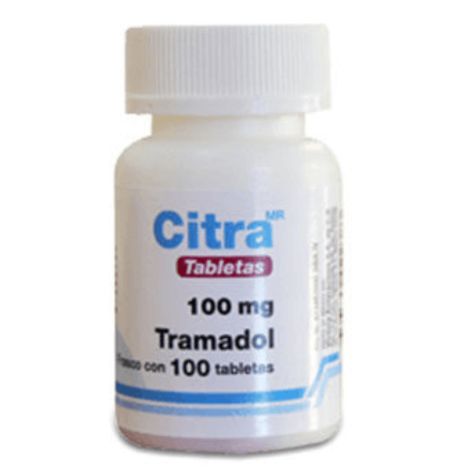
Buy Tramadol Online – Uses, Benefits, Dosage Information & Safety Guide
Tramadol is a prescription opioid analgesic medication used to help manage moderate to moderately severe pain when treatment with other pain management options is not adequate. It works by affecting how the brain and nervous system process pain signals through both opioid receptor activity and changes in certain neurotransmitters involved in pain regulation.
Because Tramadol is an opioid medication, it carries risks including misuse, dependence, tolerance, withdrawal symptoms, and serious side effects. It should only be used under the supervision of a qualified healthcare professional and according to a prescribed treatment plan.
Tramadol Uses and Benefits
Healthcare providers may prescribe Tramadol for:
Moderate to severe acute pain
Certain chronic pain conditions
Pain following injuries or medical procedures
Situations where opioid therapy is considered appropriate
Tramadol may help reduce pain intensity and improve daily activities when used correctly as part of a comprehensive pain management plan.
How Tramadol Works
Tramadol has a dual mechanism of action:
It activates opioid receptors in the brain and spinal cord to reduce pain perception.
It affects norepinephrine and serotonin pathways, which play a role in the body's natural pain-control systems.
This combination helps modify pain signals and may provide relief for eligible patients.
Available Tramadol Strengths
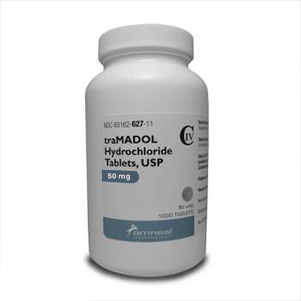
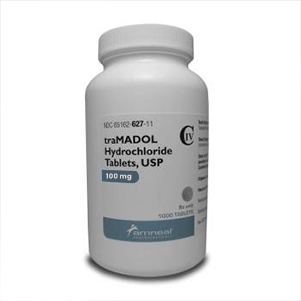
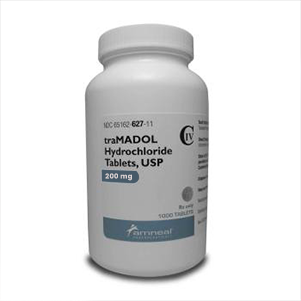
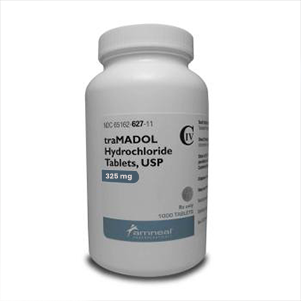
Tramadol may be prescribed in different strengths and formulations, including:
The appropriate strength depends on the patient's medical condition, previous treatment history, and healthcare provider's evaluation.
Possible Side Effects of Tramadol
Common side effects may include:
Drowsiness
Dizziness
Nausea
Vomiting
Constipation
Dry mouth
Headache
Fatigue
Seek medical attention if you experience serious symptoms such as:
Slow or difficult breathing
Extreme sleepiness
Severe allergic reactions
Confusion
Seizures
Symptoms of serotonin syndrome
Important Safety Information
Tramadol should be taken exactly as prescribed. Misuse or incorrect dosing may increase the risk of serious complications.
Avoid combining Tramadol with:
These combinations may increase the risk of dangerous breathing problems and excessive drowsiness.
Dependence and Withdrawal
Regular use of Tramadol may lead to physical dependence. Stopping suddenly after prolonged use may cause withdrawal symptoms such as:
Anxiety
Restlessness
Sleep disturbances
Sweating
Nausea
Flu-like symptoms
A healthcare provider can help create a safe plan for reducing medication when appropriate.
Drug Interactions
Before using Tramadol, tell your healthcare provider about all medications you take, including:
Antidepressants (SSRIs, SNRIs, MAO inhibitors)
Anxiety medications
Sleep medications
Muscle relaxants
Other pain medicines
Alcohol or recreational substances
Certain combinations may increase the risk of serious side effects.
Trusted Medical Information Resources
For reliable information about Tramadol, visit:
Conclusion
Tramadol is a prescription opioid medication used for the management of moderate to severe pain when medically appropriate. It may help reduce pain by affecting opioid receptors and pain-regulating neurotransmitters. Due to risks associated with opioid medications, including dependence, misuse, and serious interactions, Tramadol should always be used under professional medical guidance.
Medical References: