Diazepam – Uses, Benefits, Safety Information & Medication Guide
Diazepam is a prescription benzodiazepine medication used for the management of several medical conditions, including anxiety disorders, muscle spasms, certain seizure disorders, and symptoms related to alcohol withdrawal. It works by enhancing the activity of gamma-aminobutyric acid (GABA), a neurotransmitter that helps calm excessive activity in the brain and central nervous system.
By increasing GABA activity, diazepam may help produce a calming effect, reduce muscle tension, and control certain types of abnormal nervous system activity.
Because diazepam affects the central nervous system and is a controlled prescription medication, it carries risks including drowsiness, tolerance, physical dependence, misuse, and withdrawal symptoms. It should only be used under the supervision of a qualified healthcare professional.
Trusted medication information resources:
Diazepam Uses and Benefits
Healthcare providers may prescribe Diazepam for:
Anxiety disorders
Short-term relief of severe anxiety symptoms
Muscle spasms and muscle stiffness
Certain seizure disorders
Symptoms associated with alcohol withdrawal
Sedation before certain medical procedures
Potential benefits may include:
Reduction of anxiety symptoms
Relaxation of tense muscles
Decreased nervous system overactivity
Support in controlling certain seizure-related conditions
The decision to use diazepam depends on the individual's medical condition, health history, and treatment goals.
How Diazepam Works
Diazepam belongs to the benzodiazepine class of medications. It works by increasing the effects of GABA, a natural chemical messenger that reduces excessive nerve activity.
This action may help:
The effects of diazepam can vary depending on dosage, age, health status, and other medications being used.
Available Diazepam Strengths
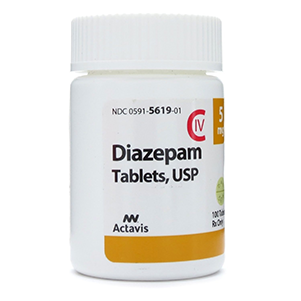
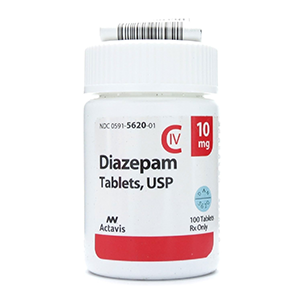
Diazepam may be available in different strengths, including:
The appropriate strength and duration of treatment should always be determined by a healthcare provider.
Possible Side Effects of Diazepam
Like all prescription medications, Diazepam may cause side effects.
Common Side Effects
Drowsiness
Dizziness
Fatigue
Muscle weakness
Reduced coordination
Difficulty concentrating
Memory problems
Serious Side Effects
Seek immediate medical attention if you experience:
Slow or difficult breathing
Extreme sedation
Confusion
Loss of consciousness
Severe allergic reactions
Unusual mood or behavioral changes
Important Safety Information
Risk of Dependence and Withdrawal
Diazepam may cause physical dependence, especially when used regularly or for long periods.
Possible withdrawal symptoms after sudden discontinuation may include:
Increased anxiety
Restlessness
Insomnia
Irritability
Tremors
Seizures in severe cases
Do not stop taking diazepam suddenly without medical guidance.
Alcohol and Medication Interactions
Avoid combining diazepam with substances that can increase sedation, including:
These combinations may increase the risk of severe drowsiness, breathing problems, coma, and other serious complications.
Drug Interactions
Diazepam may interact with:
Always inform your healthcare provider about all prescription medications, over-the-counter medicines, vitamins, and supplements you use.
Storage Information
Store Diazepam:
At room temperature
Away from moisture, heat, and direct sunlight
In its original container
Securely away from children and unauthorized users
Dispose of unused medication according to approved medication disposal recommendations.
Frequently Asked Questions
What is Diazepam used for?
Diazepam is used for conditions such as anxiety, muscle spasms, certain seizures, alcohol withdrawal symptoms, and medical sedation when prescribed.
Is Diazepam a benzodiazepine?
Yes. Diazepam belongs to the benzodiazepine class of medications.
Can Diazepam cause dependence?
Yes. Diazepam can cause tolerance and physical dependence, particularly with prolonged use or misuse.
Can Diazepam be taken with alcohol?
No. Alcohol can increase the sedative effects of diazepam and may raise the risk of dangerous breathing problems and excessive sedation.
Conclusion
Diazepam is a prescription benzodiazepine medication used for anxiety, muscle spasms, seizure-related conditions, and other approved medical purposes. By enhancing GABA activity in the brain, it helps reduce excessive nervous system activity and promote relaxation. Due to risks including dependence, withdrawal, sedation, and serious drug interactions, diazepam should always be used exactly as prescribed and under professional medical supervision.
Medical References: