Hydrocodone – Uses, Benefits, Safety Information & Medication Guide
Hydrocodone is a prescription opioid medication used for the management of moderate to severe pain when other treatment options are not sufficient or appropriate. It works by changing the way the brain and nervous system respond to pain signals, helping reduce the intensity of pain.
Hydrocodone is commonly available in combination with other ingredients, such as acetaminophen, depending on the prescribed formulation. Because hydrocodone is an opioid medication, it carries important risks, including misuse, dependence, tolerance, respiratory depression, and overdose. It should only be used under the supervision of a qualified healthcare professional.
Hydrocodone Uses and Benefits
Healthcare providers may prescribe hydrocodone for:
Moderate to severe pain management
Short-term pain relief after certain medical procedures or injuries
Severe pain conditions where opioid therapy is considered appropriate
When used correctly, hydrocodone may help:
Treatment decisions depend on the individual's medical condition, pain severity, and overall health profile.
How Hydrocodone Works
Hydrocodone belongs to the opioid analgesic class of medications. It works by binding to opioid receptors in the brain and spinal cord, reducing the perception of pain and altering the body's response to discomfort.
Its effects may include:
Because hydrocodone affects the central nervous system, careful medical supervision is required.
Common Hydrocodone Formulations
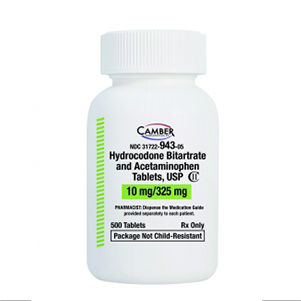
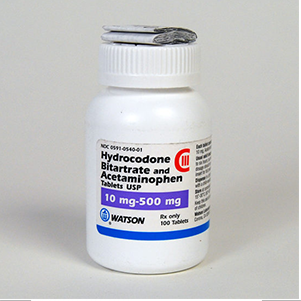
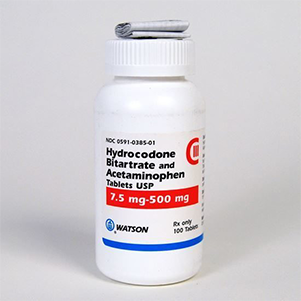
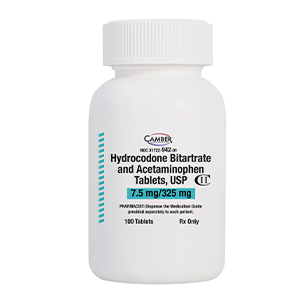
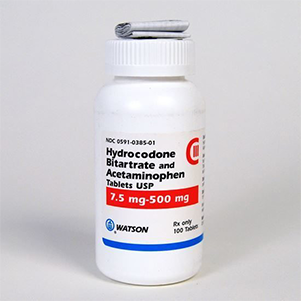
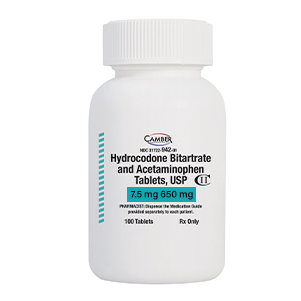
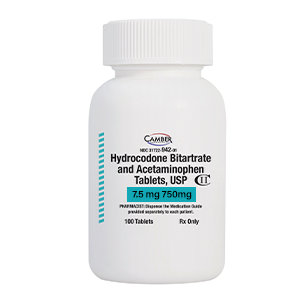
Hydrocodone may be prescribed in different formulations, including combinations with acetaminophen. Examples may include:
The correct formulation and dosage should always be determined by a healthcare provider.
Possible Side Effects of Hydrocodone
Like other opioid medications, hydrocodone may cause side effects.
Common Side Effects
Drowsiness
Dizziness
Nausea
Vomiting
Constipation
Fatigue
Dry mouth
Lightheadedness
Serious Side Effects
Seek immediate medical attention for:
Important Safety Information
Risk of Dependence and Misuse
Hydrocodone has the potential to cause:
Physical dependence
Tolerance
Misuse
Addiction
Use only the prescribed amount and never share opioid medication with others.
Alcohol and Other Sedatives
Avoid combining hydrocodone with:
These combinations may increase the risk of dangerous sedation, breathing problems, coma, or life-threatening complications.
Acetaminophen Safety
Some hydrocodone products contain acetaminophen. Taking more acetaminophen than recommended may cause serious liver damage. Always follow the prescribed directions and avoid combining multiple acetaminophen-containing products unless advised by a healthcare professional.
Drug Interactions
Hydrocodone may interact with:
Inform your healthcare provider about all prescription medications, over-the-counter medicines, vitamins, and supplements you use.
Storage Information
Store hydrocodone:
Unused opioid medication should be disposed of through approved medication take-back programs whenever possible.
Frequently Asked Questions
What is Hydrocodone used for?
Hydrocodone is a prescription opioid medication used for the management of moderate to severe pain when medically appropriate.
Is Hydrocodone an opioid?
Yes. Hydrocodone is an opioid analgesic that works by affecting pain signals in the brain and nervous system.
Can Hydrocodone cause dependence?
Yes. Hydrocodone can cause tolerance, physical dependence, and misuse, especially when used for longer periods or incorrectly.
Can Hydrocodone be taken with alcohol?
No. Alcohol can increase the sedative effects of hydrocodone and raise the risk of dangerous breathing problems and overdose.
Conclusion
Hydrocodone is a prescription opioid medication used for the treatment of moderate to severe pain. While it can provide effective pain relief for appropriate patients, it requires careful use because of risks associated with opioid medications, including dependence, misuse, respiratory depression, and serious drug interactions. Hydrocodone should always be used exactly as prescribed and under the guidance of a qualified healthcare professional.