Headaches are one of the most common neurological complaints worldwide, affecting millions of people every year. While many headaches are mild and temporary, others can be severe enough to disrupt work, family life, and daily activities. Among the most frequently diagnosed headache disorders are tension headaches and migraines. Although these conditions may seem similar at first, they have different underlying mechanisms, symptoms, triggers, and treatment approaches.
Understanding the differences between tension headaches vs. migraines is essential for recognizing your symptoms, seeking appropriate treatment, and preventing future episodes. Many people mistakenly assume every severe headache is a migraine or dismiss recurring headaches as simple stress. Knowing the distinguishing features can help you make informed decisions about your health and discuss your symptoms more effectively with a healthcare provider.
In this comprehensive guide, we'll explore the symptoms, causes, diagnosis, treatment options, and prevention strategies for both conditions, helping you determine when professional medical evaluation is necessary.
What Is a Tension Headache?
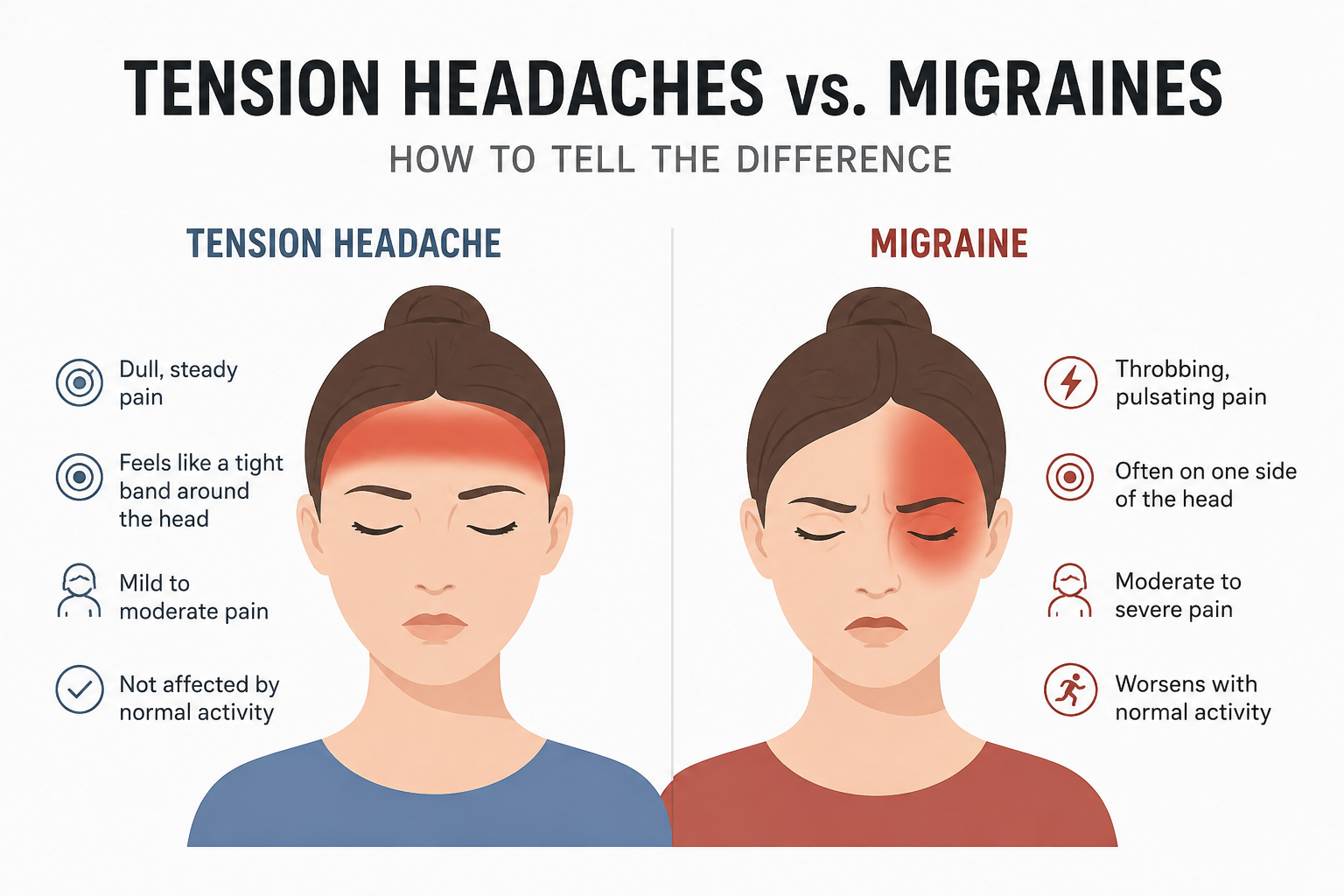
A tension-type headache (TTH) is the most common type of primary headache disorder. It typically produces mild to moderate pain that feels like constant pressure or a tight band wrapped around the head.
Unlike migraines, tension headaches generally do not involve significant nausea, vomiting, or intense sensitivity to light and sound. Instead, they are often associated with muscle tightness around the scalp, neck, and shoulders.
Tension headaches are classified into two categories:
Episodic Tension Headaches
These occur fewer than 15 days each month and usually last from 30 minutes to several hours. They are commonly triggered by stress, fatigue, or prolonged muscle tension.
Chronic Tension Headaches
These occur on 15 or more days each month for at least three consecutive months. Chronic headaches can significantly affect quality of life and often require medical evaluation to identify contributing factors and determine the most appropriate treatment plan.
Symptoms of Tension Headaches
Common symptoms include:
Dull, aching head pain
Pressure or tightness across the forehead
Pain affecting both sides of the head
Tender scalp
Tightness in the neck and shoulder muscles
Mild to moderate discomfort
Pain that develops gradually
Fatigue associated with prolonged headaches
Unlike migraines, physical activity such as walking or climbing stairs usually does not worsen a tension headache.
Common Causes of Tension Headaches
Although researchers have not identified a single cause, several contributing factors are commonly associated with tension headaches, including:
Emotional stress
Anxiety
Poor posture
Eye strain
Long hours at a computer
Muscle tension
Sleep deprivation
Skipping meals
Dehydration
Fatigue
People who spend long hours sitting at desks or using digital devices often experience tension headaches due to prolonged muscle strain in the neck and shoulders.
What Is a Migraine?
A migraineis much more than a severe headache. It is a complex neurological disorder involving abnormal brain activity, changes in nerve signaling, and the release of inflammatory chemicals that affect pain pathways.
Migraine attacks can last anywhere from 4 to 72 hours if left untreated and may significantly interfere with work, school, or social activities.
Many individuals experience recurring migraine attacks throughout their lives, although frequency and severity vary considerably.
Symptoms of Migraines
Migraines usually produce one or more of the following symptoms:
Moderate to severe throbbing pain
Pain affecting one side of the head (though both sides may sometimes be involved)
Pulsating sensation
Nausea
Vomiting
Sensitivity to light (photophobia)
Sensitivity to sound (phonophobia)
Increased sensitivity to odors
Blurred vision
Fatigue
Dizziness
Unlike tension headaches, routine physical activity often worsens migraine pain. Many people prefer resting in a dark, quiet room until symptoms improve.
Migraine Aura: A Distinctive Feature
Approximately one in three people with migraines experience an aura, a temporary neurological disturbance that typically develops before the headache begins.
Aura symptoms may include:
Flashing lights
Zigzag lines
Blind spots
Tingling sensations
Temporary numbness
Difficulty speaking
Temporary vision changes
Aura symptoms usually develop gradually over several minutes and resolve within an hour before the headache phase starts.
Not everyone with migraines experiences aura, and some individuals may have migraine attacks without any warning signs.
Tension Headaches vs. Migraines: Key Differences
Although both conditions involve head pain, several characteristics help distinguish them.
Feature | Tension Headache | Migraine |
|---|
Pain Type | Dull, pressing | Throbbing or pulsating |
Pain Severity | Mild to moderate | Moderate to severe |
Pain Location | Usually both sides | Often one side |
Nausea | Rare | Common |
Vomiting | Rare | May occur |
Light Sensitivity | Usually absent | Common |
Sound Sensitivity | Usually absent | Common |
Physical Activity | Usually does not worsen pain | Often worsens pain |
Duration | 30 minutes to several hours | 4–72 hours |
Aura | No | May occur
|
This comparison highlights why accurately identifying your symptoms is important. While tension headaches often respond to stress management and lifestyle changes, migraines may require a more comprehensive treatment plan, including preventive strategies and prescription medications in some cases.
Why Identifying the Correct Headache Type Matters
Many people self-diagnose headaches based solely on pain intensity. However, receiving the correct diagnosis can significantly improve treatment outcomes.
For example, someone experiencing migraines may benefit from migraine-specific therapies that are not typically recommended for tension headaches. Likewise, chronic tension headaches may indicate underlying issues such as poor posture, chronic stress, sleep disorders, or medication overuse that require a different management approach.
Keeping a headache diary that records the timing, duration, location, severity, associated symptoms, and possible triggers can help healthcare providers distinguish between headache types and recommend the most appropriate treatment.
Common Causes of Tension Headaches and Migraines
Although tension headaches and migraines are different conditions, they often share several common triggers. Identifying these triggers can help reduce the frequency and severity of headache episodes. While some triggers are avoidable, others—such as hormonal changes or weather fluctuations—may require proactive management.
Common Causes of Tension Headaches
Tension headaches are commonly linked to muscle tightness and physical or emotional stress. They are often associated with daily habits rather than an underlying neurological disorder.
1. Stress and Anxiety
Emotional stress is one of the leading causes of tension headaches. Work deadlines, financial concerns, family responsibilities, and emotional distress can cause muscles in the neck, shoulders, and scalp to tighten, leading to headache pain.
2. Poor Posture
Spending long hours sitting at a desk or looking down at a smartphone can strain the muscles of the neck and upper back. Over time, this muscle tension may contribute to recurring headaches.
3. Eye Strain
Extended use of computers, tablets, or smartphones can lead to digital eye strain. Poor lighting, uncorrected vision problems, or prolonged screen time may increase the likelihood of developing tension headaches.
4. Lack of Sleep
Poor-quality sleep or an inconsistent sleep schedule can increase stress on the body and make headaches more likely.
5. Dehydration
Even mild dehydration can trigger headaches. Drinking enough water throughout the day is an important part of headache prevention.
6. Skipping Meals
Missing meals or going long periods without eating may cause blood sugar levels to drop, which can contribute to headaches in some individuals.
Common Migraine Triggers
Migraine triggers vary from person to person. A trigger does not always cause a migraine, but it can increase the likelihood of an attack.
Hormonal Changes
Many women notice migraines occurring around menstruation, pregnancy, or menopause due to changes in estrogen levels.
Certain Foods and Drinks
Some people report migraines after consuming:
Aged cheeses
Processed meats
Chocolate
Artificial sweeteners
Alcohol (especially red wine)
Foods containing monosodium glutamate (MSG)
Keeping a food diary may help identify personal dietary triggers.
Caffeine
Too much caffeine or sudden caffeine withdrawal can trigger migraine attacks in susceptible individuals.
Bright Lights and Loud Sounds
Flashing lights, prolonged screen exposure, loud music, or crowded environments may trigger migraines in some people.
Weather Changes
Changes in barometric pressure, high humidity, or extreme temperatures are recognized migraine triggers for some individuals.
Sleep Disturbances
Both too little and too much sleep may increase migraine frequency.
How Healthcare Providers Diagnose Headaches
There is no single blood test or imaging study that confirms whether someone has a tension headache or migraine. Diagnosis is primarily based on a detailed medical history and physical examination.
A healthcare provider may ask questions such as:
When did your headaches begin?
How often do they occur?
Where is the pain located?
How long do they last?
What symptoms occur with the headache?
Do you have nausea or sensitivity to light?
Does physical activity make the pain worse?
What medications do you take?
Is there a family history of migraines?
In most cases, imaging tests such as CT scans or MRI scans are not necessary unless there are warning signs suggesting another underlying condition.
Treatment Options for Tension Headaches
Treatment depends on the severity and frequency of headaches.
Self-Care Strategies
Many tension headaches improve with simple lifestyle measures, including:
Drinking plenty of water
Maintaining good posture
Taking regular breaks from computer screens
Gentle neck and shoulder stretching
Applying a warm compress to tight muscles
Practicing relaxation techniques such as deep breathing or meditation
Getting adequate sleep
These strategies may also help reduce headache recurrence over time.
Medications
For occasional tension headaches, healthcare providers may recommend over-the-counter pain relievers. However, frequent use of pain medication can lead to medication-overuse headaches, making headaches more frequent and difficult to treat.
Individuals with chronic tension headaches may benefit from preventive therapies prescribed by a healthcare professional, depending on their medical history and symptom pattern.
Migraine Treatment Options
Migraine management generally involves treating acute attacks and preventing future episodes.
Acute Migraine Treatment
The goal of acute treatment is to relieve symptoms as quickly as possible after a migraine begins.
Depending on the severity of symptoms, treatment may include:
Over-the-counter pain relievers (when appropriate)
Prescription migraine-specific medications
Anti-nausea medications
Hydration
Resting in a dark, quiet room
Applying a cool compress to the forehead
Early treatment after symptoms begin is often more effective than waiting until the pain becomes severe.
Preventive Migraine Therapy
People who experience frequent or disabling migraines may benefit from preventive treatment.
Preventive options may include:
Certain blood pressure medications
Some antidepressants
Anti-seizure medications
Calcitonin gene-related peptide (CGRP) targeted therapies
Botulinum toxin injections for selected patients with chronic migraine
A healthcare provider can determine whether preventive therapy is appropriate based on headache frequency, severity, and overall health.
Lifestyle Changes That Can Help Prevent Headaches
Healthy daily habits play an important role in reducing both tension headaches and migraines.
Stay Hydrated
Aim to drink enough fluids throughout the day, especially during hot weather or physical activity.
Maintain a Consistent Sleep Schedule
Going to bed and waking up at the same time each day helps support healthy brain function and may reduce headache frequency.
Exercise Regularly
Moderate physical activity such as walking, cycling, or swimming may help reduce stress and improve overall well-being. If exercise consistently triggers migraines, discuss this with your healthcare provider.
Eat Balanced Meals
Skipping meals can contribute to headaches. Eating regular, nutritious meals helps maintain stable energy levels.
Manage Stress
Stress management techniques may include:
Meditation
Yoga
Deep breathing exercises
Progressive muscle relaxation
Mindfulness practices
Counseling when appropriate
Limit Screen Time
Frequent breaks from digital devices can reduce eye strain and muscle tension, particularly for people who work at computers for extended periods.
Can You Have Both Tension Headaches and Migraines?
Yes. Some people experience both headache disorders. For example, stress may trigger a tension headache on one occasion and contribute to a migraine on another.
Because symptoms can overlap, keeping a detailed headache diary can be extremely helpful. Recording information such as headache duration, pain location, associated symptoms, food intake, sleep patterns, stress levels, and possible triggers can help healthcare providers make an accurate diagnosis and develop an effective treatment plan.
Understanding your personal headache pattern is often one of the most valuable steps toward improving long-term headache management.
When Should You See a Doctor for Headaches?
Most tension headaches and migraines can be managed with lifestyle modifications and appropriate treatment. However, some headaches may indicate a more serious underlying condition and should never be ignored.
Schedule a Medical Appointment If You:
Experience headaches more than a few times each month.
Notice your headaches are becoming more frequent or more severe.
Find that headaches interfere with work, school, or daily activities.
Regularly need pain-relieving medications to control symptoms.
Develop new headache symptoms after the age of 50.
Have a history of migraines but notice a significant change in their pattern or intensity.
A healthcare provider can evaluate your symptoms, identify possible triggers, and recommend an individualized treatment plan.
When Should You Seek Emergency Medical Care?
While most headaches are not emergencies, certain symptoms require immediate medical evaluation.
Seek emergency care if you experience:
A sudden, severe headache often described as the "worst headache of your life."
Headache following a head injury.
Fever accompanied by headache and a stiff neck.
Confusion, difficulty speaking, or loss of consciousness.
Weakness or numbness affecting one side of the body.
Double vision or sudden vision loss.
Seizures.
Persistent vomiting.
Difficulty walking or maintaining balance.
These symptoms may indicate serious medical conditions such as stroke, meningitis, or bleeding in the brain and require prompt evaluation.
Tips for Preventing Future Headaches
Although it may not be possible to prevent every headache, healthy habits can significantly reduce the risk of both tension headaches and migraines.
Maintain Good Posture
Proper posture reduces strain on the muscles of the neck and shoulders, particularly during long periods of computer use.
Stay Hydrated
Drink water regularly throughout the day. Even mild dehydration can contribute to headache development.
Manage Stress Effectively
Incorporate stress-reducing activities into your routine, such as:
Meditation
Yoga
Deep breathing exercises
Regular physical activity
Spending time outdoors
Prioritize Quality Sleep
Aim for 7–9 hours of sleep each night and maintain a consistent bedtime routine.
Eat Nutritious Meals
Balanced meals eaten at regular intervals help maintain steady blood sugar levels and may reduce headache frequency.
Identify Personal Triggers
Keeping a headache diary can help identify patterns related to:
Foods and beverages
Stress levels
Sleep habits
Hormonal changes
Weather conditions
Physical activity
Recognizing triggers allows many individuals to make lifestyle adjustments that reduce future headache episodes.
Key Takeaways
Tension headaches are the most common type of headache and usually produce mild to moderate pressure on both sides of the head.
Migraines are neurological disorders that often cause throbbing pain, nausea, and sensitivity to light and sound.
Stress, dehydration, poor sleep, and skipped meals may contribute to both conditions.
Identifying personal triggers can help reduce headache frequency.
Lifestyle modifications play an important role in prevention.
Seek immediate medical attention for sudden severe headaches or headaches accompanied by neurological symptoms.
Conclusion
Understanding the differences between tension headaches vs. migraines can help you recognize symptoms earlier, identify potential triggers, and choose the most appropriate treatment strategy with guidance from a healthcare professional.
While tension headaches are often associated with muscle tension, stress, or poor posture, migraines are complex neurological disorders that may involve nausea, sensitivity to light and sound, and visual disturbances. Because symptoms can overlap, keeping a detailed headache diary can provide valuable information for your healthcare provider.
If your headaches become more frequent, interfere with your daily life, or change in pattern, don't ignore them. Early evaluation and personalized treatment can improve symptom control, reduce future attacks, and enhance your overall quality of life.
Remember that effective headache management involves more than medication. Staying hydrated, maintaining healthy sleep habits, managing stress, exercising regularly, and recognizing personal triggers are all important steps toward long-term relief.